
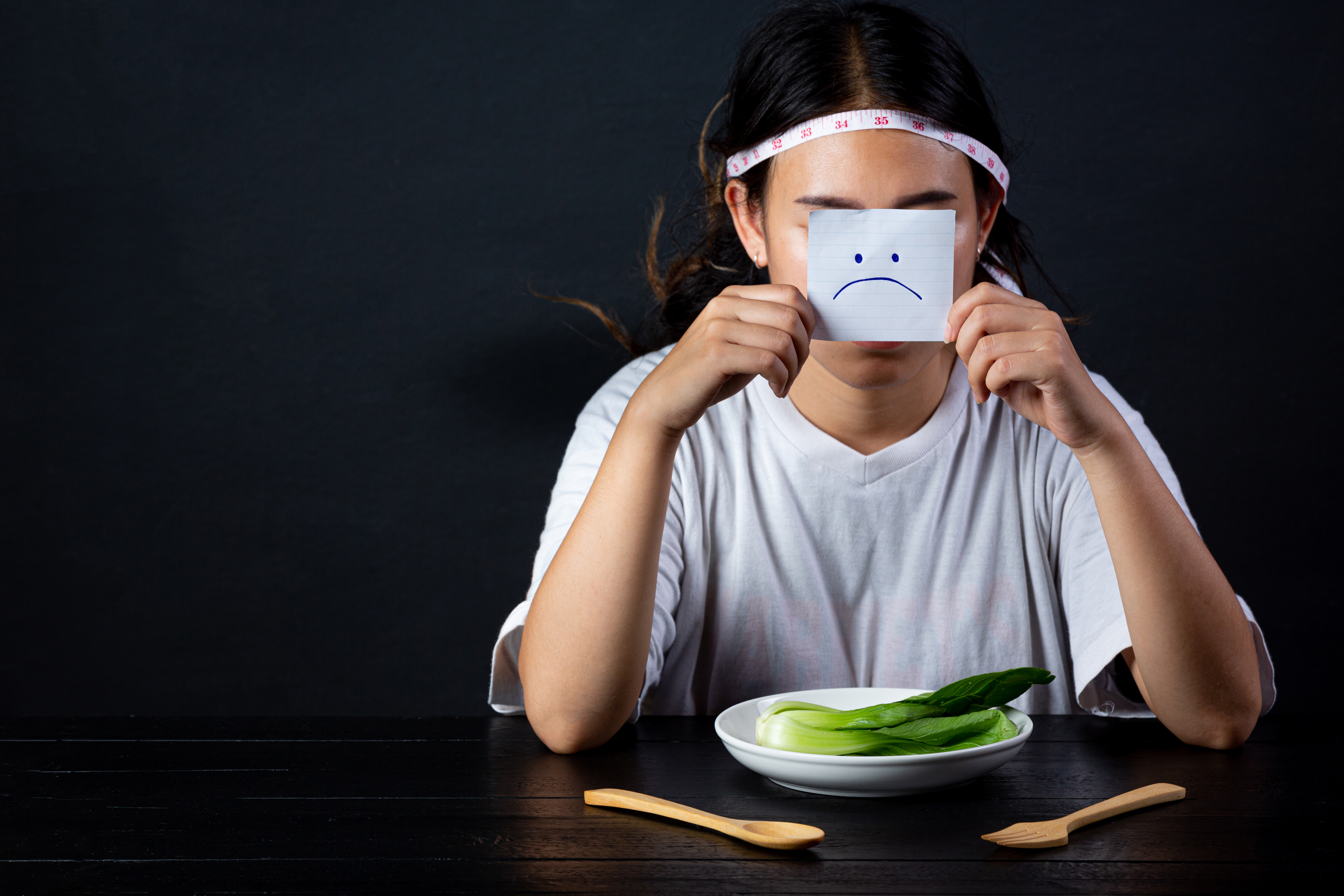
Understanding Stress Appetite Changes Without Diet Rules
If you’ve ever noticed that stress affects your appetite, you’re not imagining it. Some days, stress makes you feel not hungry at all. You forget to eat, feel nauseous, or food just doesn’t sound appealing. Other days, stress makes you feel like you can’t stop eating, even when you’re physically full. This can be confusing—especially if you’re trying to heal your relationship with food or follow a non-diet approach.
Here’s the reassuring truth: changes in appetite during stress are a normal biological response. Let’s talk about why stress causes appetite loss and stress eating—and why both make sense.
How Stress Affects Appetite and Hunger Hormones
When you’re stressed, your body activates its stress response system, also known as the HPA axis (hypothalamic-pituitary-adrenal axis). One of the main hormones involved is cortisol. Cortisol’s job is to help you survive challenging situations. It does this by shifting how your body uses energy—and that includes how hunger and fullness signals work.
This is why stress can:
-
Suppress appetite
-
Increase cravings
-
Make hunger feel unpredictable
-
Cause overeating during stress
These responses are physiological, not psychological weakness.
Why Stress Can Cause Loss of Appetite
For many people, stress leads to loss of appetite or feeling “not hungry” for long stretches of time.
This commonly happens during:
-
High anxiety or emotional stress
-
Acute or overwhelming situations
-
Periods of feeling unsafe or rushed
When your nervous system is in fight-or-flight mode, digestion becomes less of a priority. Hunger hormones like ghrelin may decrease, and blood flow shifts away from the gut. Your body is essentially saying: “Let’s get through this first. We’ll worry about eating later.” This is why stress-related appetite loss is so common—and why it’s not something you can just think your way out of.
Why Stress Can Make You Eat More or Crave Food
On the flip side, stress can also lead to increased appetite, frequent snacking, or feeling like you can’t stop eating.
Stress eating is more likely when:
-
Stress is chronic or ongoing
-
Meals are skipped or delayed
-
There’s a history of dieting or restriction
Cortisol increases your brain’s need for quick energy. At the same time, stress reduces access to satisfaction cues, making it harder to feel “done” eating. Eating—especially foods with carbohydrates and fats—can temporarily lower stress hormones and increase calming brain chemicals like serotonin and dopamine. This is why stress eating isn’t a lack of control. It’s your nervous system seeking regulation.
Stress Eating and Appetite Loss Are Often Connected
One important piece most people aren’t told. Stress eating and stress-related appetite loss are not opposites—they’re often part of the same cycle. If stress causes you to eat less earlier in the day, your body may later respond with:
-
Stronger hunger signals
-
More intense cravings
-
Eating past fullness
This isn’t bingeing—it’s biological compensation. Your body keeps track of energy intake, even when eating less wasn’t intentional. When fuel has been inconsistent, your system pushes harder to restore balance.
Why “Just Listen to Your Hunger Cues” Doesn’t Always Work
You may hear advice like, “just eat when you’re hungry.” “Stop when you’re full.” “Tune into your body.” But the thing is, stress disrupts these signals.
During stress, hunger cues may be blunted or delayed. Fullness may arrive late or feel unsatisfying. Food decisions feel louder and more urgent. So if intuitive eating feels confusing for stressful situations, there is a reason for that. Your nervous system is not in the right space or circumstance to eat intuitively. In stressful seasons, gentle structure and regular nourishment can support appetite regulation more than relying on cues alone.
Rather than trying to “fix” your eating responses, consider supporting them instead. This can look like:
- Eating regular meals even when your appetite is low
- Including carbohydrates and fats to support cortisol regulation
- Reducing long gaps without food on stressful days
- Letting go of judgment around stress-driven eating
The goal isn’t perfection. It’s consistent nourishment. When your body can trust that food is available, appetite tends to stabilize naturally over time. If you’ve ever wondered why stress makes eating feel chaotic. Or if you’ve ever blamed yourself for responses that are actually protective, you’re not broken. Your body is responding intelligently to the information it has been given. Understanding the science behind stress and appetite can help you replace frustration with compassion—and move toward a calmer, more trusting relationship with food.