
A lot of “lack of self-control” happens at the end of the day. We’re talking about the late night snacking, overeating, and the regret that comes with these decisions. What if your body genuinely has a harder time making choices when you’re doing so? What if this isn’t a personal failure, but a sign of mental exhaustion instead?
Feeling overwhelmed, not knowing what to eat, and feeling like constant snacking is completely normal. You’re not weird or lack self-discipline if you do. This concept of falling off track or “cheating” on meals is not cheating our body. In fact, it’s not wrong to do at all. It’s societal messaging, marketing, and diet culture that has taught us to think that way. Framing eating for comfort as a crime. The shame that comes with it is usually learned. We don’t have to feel that way. We’re told to feel that way.
Decision fatigue is when our mental energy is depleted. To the extent our ability to make choices is exhausted. You are using your brain throughout the day. Making work decisions, having social interactions, taking care of your family, and trying to emotionally hold yourself together. All of this takes mental energy. It’s not that your body isn’t working. It doesn’t want to make any more choices at the end of the day.
Why Food Hits Hardest at Night
Eating is a multi-step process of choices. First, you have to think about what sounds good. Then is it healthy? Do I have the ingredients? How do I make it? Just to get food on the table takes a lot of effort. That’s why people prefer eating out over eating at home. It’s not a laziness issue. It’s a way to relieve mental fatigue. We get all hung up about overeating and not choosing the right foods. Yet, the issue isn’t that at all. Our bodies just need to be fed. It doesn’t matter what it is. You are mentally tapped out for the day.
If you’re like a lot of people I know, chances are you didn’t eat solid meals throughout the day either. Many times, breakfast is skipped, we skimp on our lunches, and function off coffee. Our stress hormones get into gear because your body is just trying to survive. Running on fumes, the last thing you will want to do is figure out what dinner is. The cognitive load your brain is carrying has no more space. Especially coming back from a long work day.
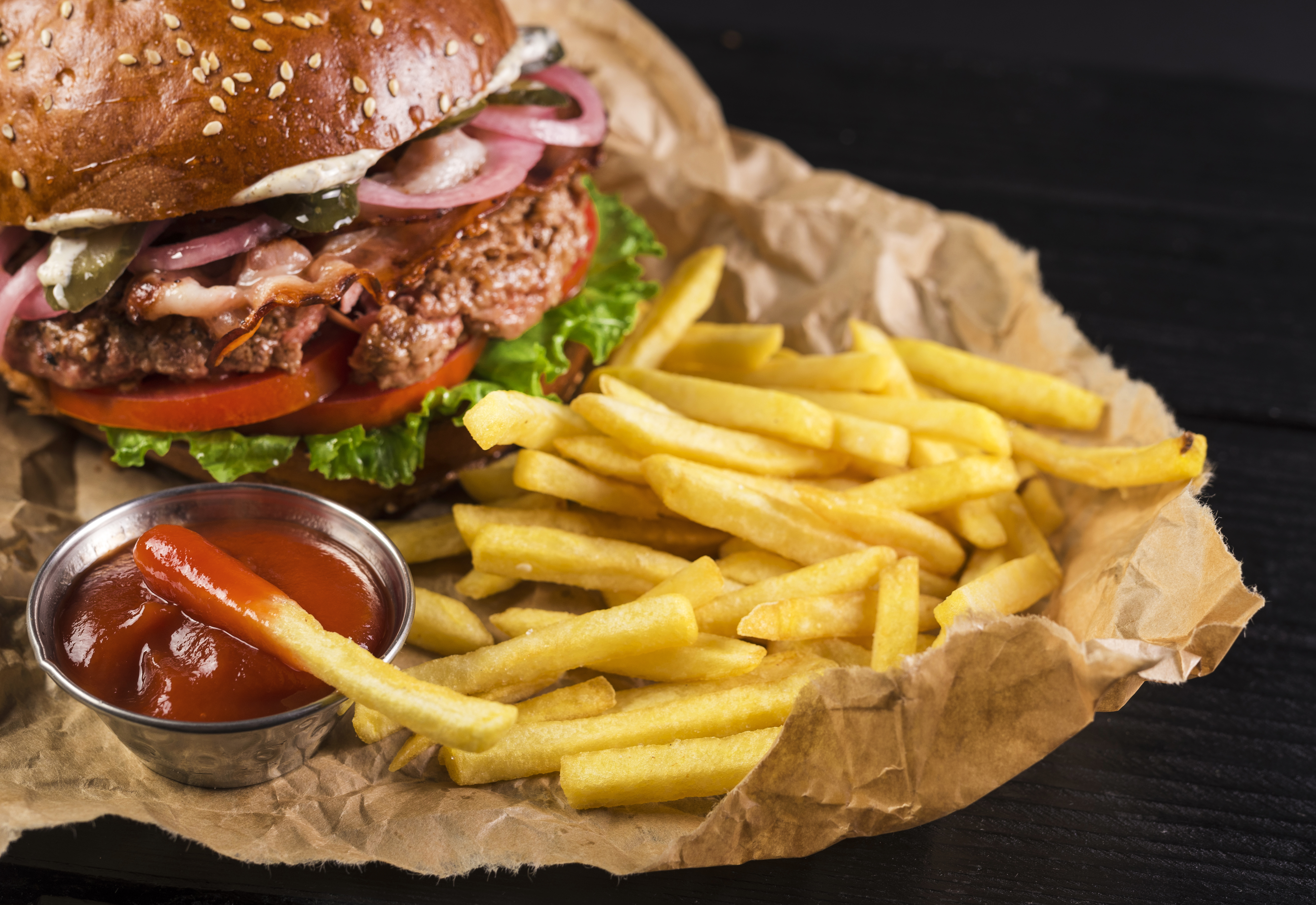
When our minds are exhausted, we want quick and easy relief. It’s no coincidence that the greasier, convenient, crunchy fries sound so good. It’s because it’s quick, easy, and does the job. The brain’s mental capacity is capped. The easiest thing for the body to do is to find something that is convenient. Because this requires the least amount of mental work.
How this Impacts Confidence with Food
When you say you don’t know what to eat, it’s genuinely not your fault. As if gaslighting wasn’t a thing, I would say diet culture has taught us that we are the problem. That is where second guessing starts, then shame spirals, and there seems to be no end with trying to eat right. As a result, we try to have more control of our food. Which in fact, often does the opposite. It makes us feel even less in control. Then we feel even more tired. And we get more frustrated. It’s a vicious cycle that has no end.
What actually helps with making food choices are more gentle approaches or practical shifts. Let me explain. Meal planning has a time and place. I would say having an idea of what meals you want and having resources prepped for them is a good idea. Not crazy macro counting or carb counting. But simply knowing what you want to eat. A little predictability helps ease the mind to do other things. And if you don’t that meal you planned that day, no big deal. Give yourself the space to pick something else. Giving yourself predictability with flexibility is the most sustainable way to eat without guilt-tripping yourself.
The “losing control” idea needs to go on the wayside. There is a connotation that we’re automatically failing when we haven’t even started. Reframe the situation to ask yourself — “what does my body need right now?” Honoring your body’s needs is one way to show compassion to yourself and soften the blow of feeling like you’re not eating “clean enough.”
Go into your meals with more curiosity than judgment. Observe and learn about yourself. We tend to make more changes when we take things neutrally, not critically. Learn how to work with your body. Not against it. It will feel more natural and nourishing. That is the start of mindful eating.