
Written by: Suren Chiu, RDN, LDN
Food isn’t just about fueling our bodies—it’s tied to family, tradition, and who we are. Think about it: the smells, flavors, and rituals around food often come from our culture, and they can shape not just what we eat, but how we feel about eating.
Food Is Part of Who We Are
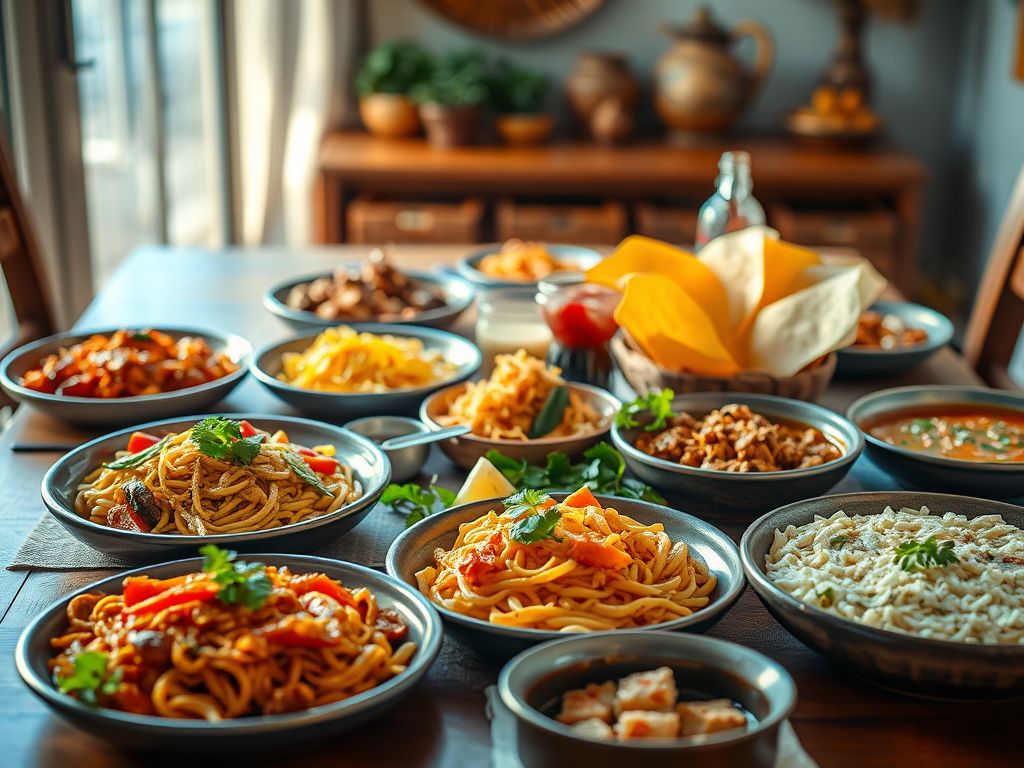
Every culture has its own food story. Maybe your Italian relatives swear by fresh pasta. Or your family’s holiday table always features a certain dish that makes you feel at home. Or in Asian households there are celebrations that involve making food together. These foods aren’t just tasty—they’re tied to identity, memories, and connection.
Our culture teaches us what’s “normal” to eat, what’s a treat, and even what’s considered healthy or unhealthy. And sometimes, these lessons stick with us, whether we realize it or not.

Family Traditions Leave a Mark
The way we grew up with food plays a huge role in our eating habits. Did your family:
- Use desserts as a reward?
- Make certain foods “special” or “forbidden”?
- Have big meals for holidays or Sunday dinners?
These patterns often influence our adult relationship with food—what we crave, how we enjoy meals, and even feelings of guilt or comfort around certain foods.
Social Norms and Cultural Rules
Culture also comes with eating “rules,” sometimes subtle, sometimes not so subtle:
- Finish everything on your plate to show respect?
- Stick to three square meals a day, no snacking?
- Treat certain foods as celebrations only?
These norms can make us feel proud, guilty, or even conflicted about what we eat. The key is noticing these rules and deciding which ones actually serve you.
How to Build a Healthier, Happier Relationship with Food
The good news? You don’t have to follow every cultural rule or expectation to enjoy food. Here’s how to approach it with kindness:
- Look at your food story: Notice which habits came from your culture or family.
- Celebrate without guilt: Enjoy traditional foods without labeling them “bad.”
- Mix and match mindfully: Incorporate different food traditions in ways that feel good for your body.
- Focus on connection: Remember meals are often about community, joy, and memories—not just calories.
Food is personal, cultural, and emotional. Understanding the role culture plays can help you eat with more awareness, enjoyment, and self-compassion—without the guilt.
Want more of this content?